
Global Sales OEM tailor design
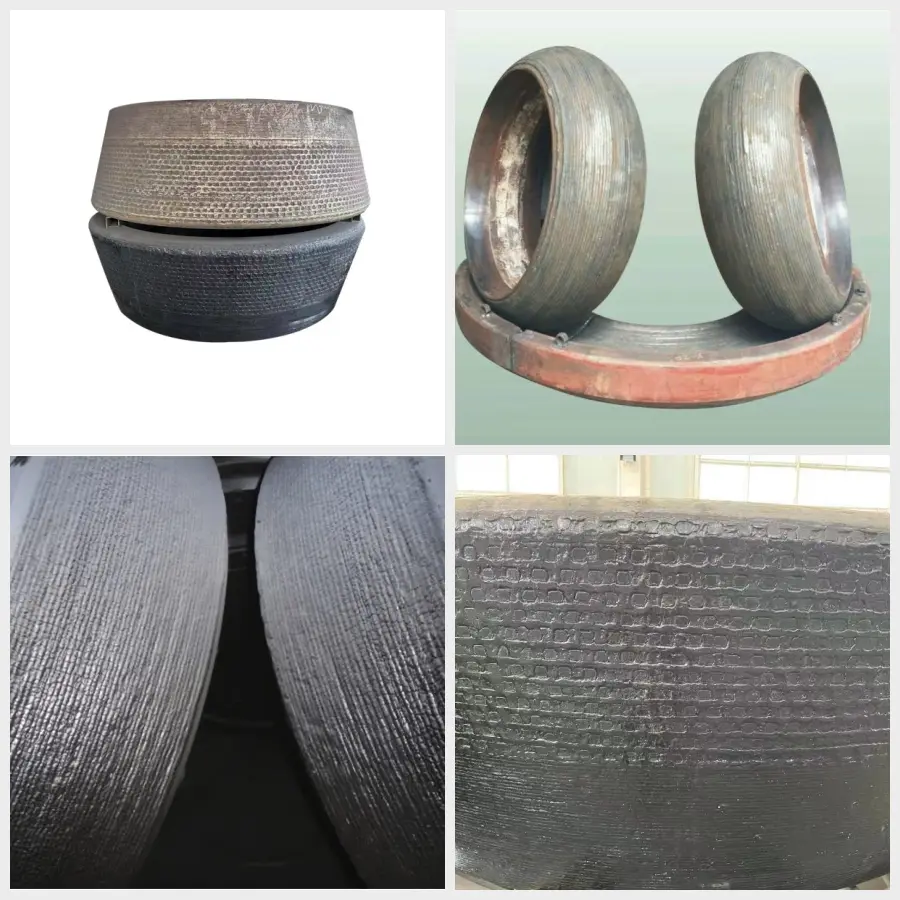
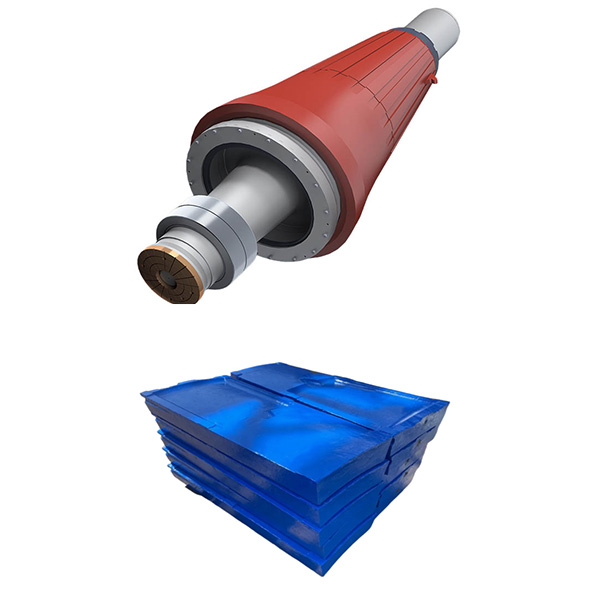
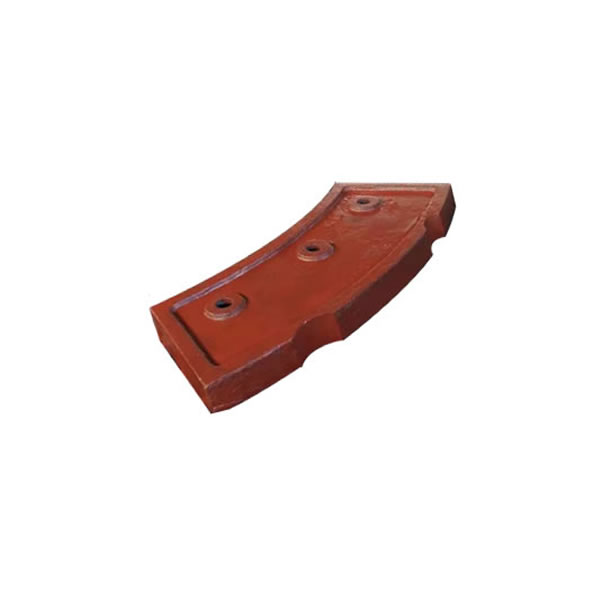
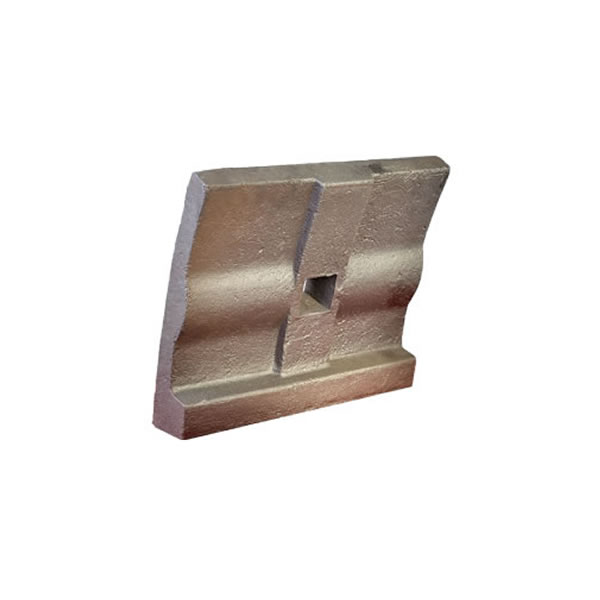
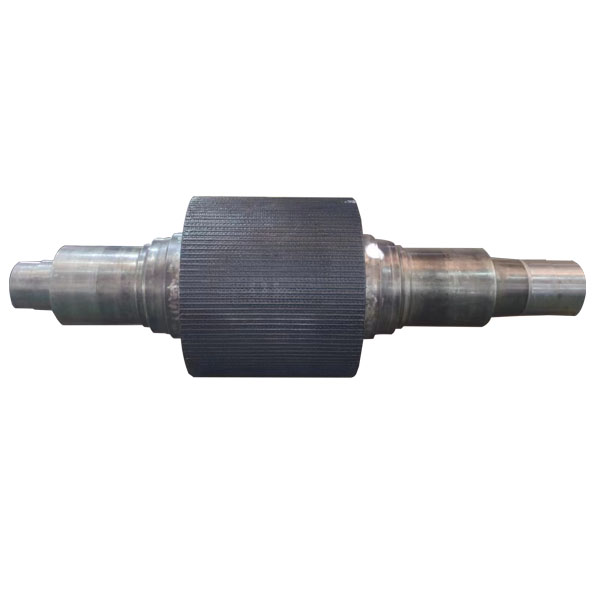
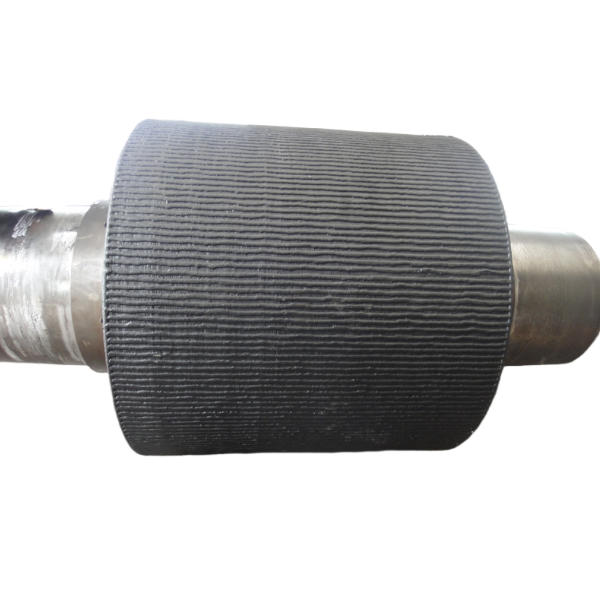
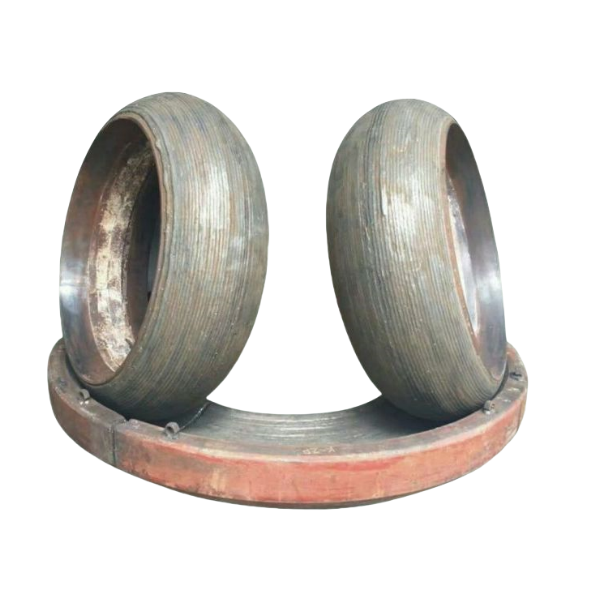
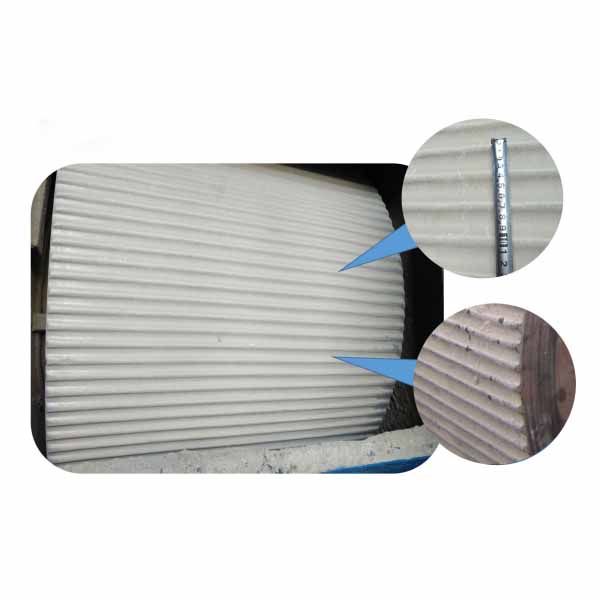
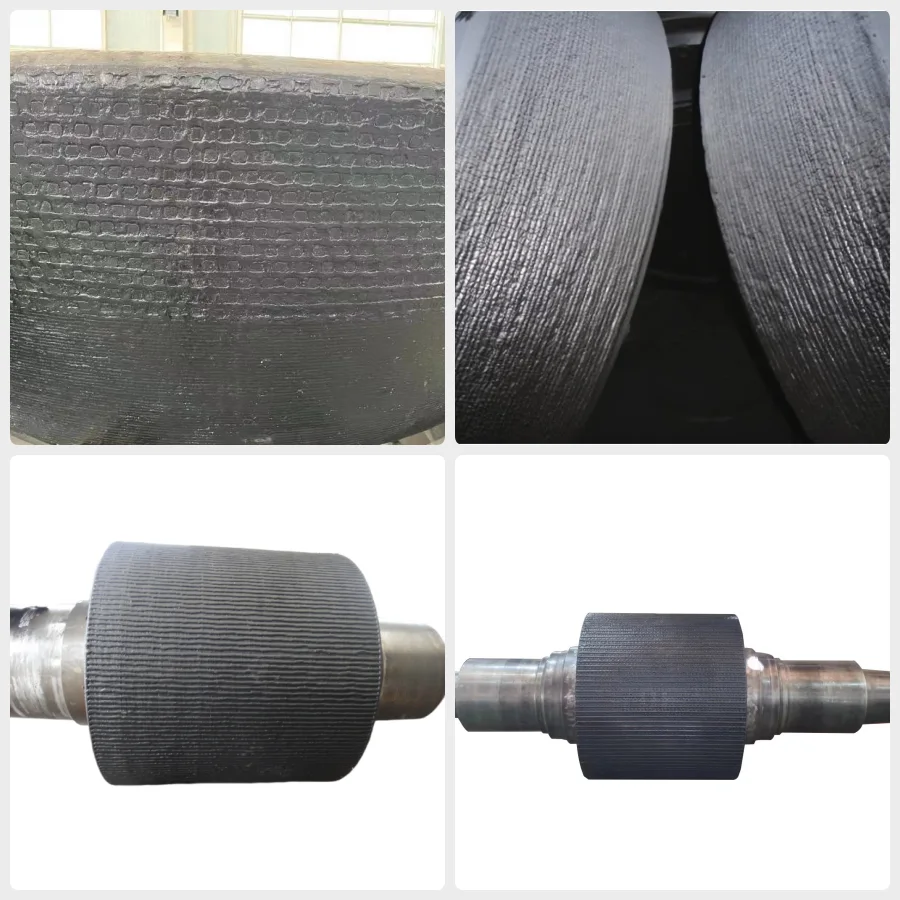
Product name: Vertical mill/ Roller press Surfacing roller/Roller press hardfacing roller
Production process: Forging plus surfacing
Applicable machines: Roller press,Vertical mill
Material types: 35CrMoA OR 42CrMoA + hard facing layer
Applicable industries: Cement, chemicals, electricity, metallurgy, building materials, refractory materials
Adaptable materials: Cement,Limestone, slag, coke, coal and other materials
Our service:
1. Before sales, we will fully understand the customer's working conditions and recommend the most appropriate material selection to the customer.
2. Provide customers with drawings based on their machine models, spare parts dimensions, etc.
3. After sales, we will continue to pay attention to the usage of the product and provide timely help.
4. Ensure that the quality of the purchased components is impeccable, and the technical parameters absolutely meet national standards.
5. Provide free quotation, worldwide sales, short delivery cycle, low price.
If you need detailed technical information of the product or cannot find the product you need on the website, please email us(cnwearparts@lyzhili.com), because we are a customized factory for crusher spare parts.
The material of the roller press extrusion roller is 42CrMo and 35CrMo, which can be made according to the specific requirements of customers.
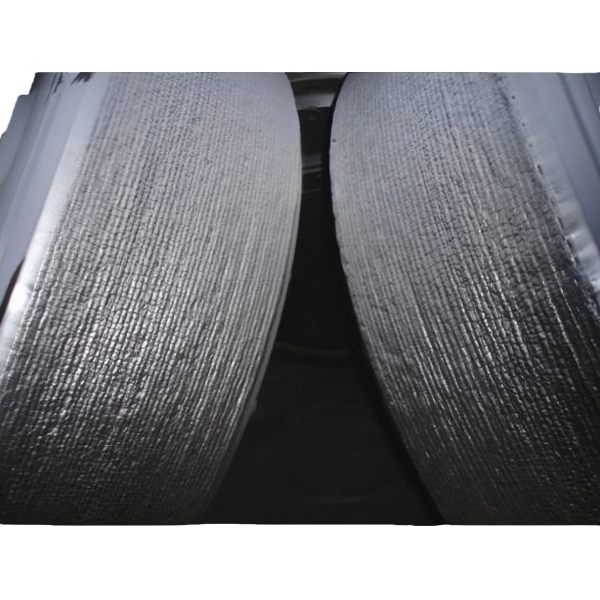
The base of the cladding roller is made of forged low alloy steel with high strength and good toughness. Then the surface of the base is cladding, and the circumferential insulation cladding is adopted circle by circle and layer by layer. The cladding roller surface patterns include one-line pattern, diamond pattern, circumferential wave pattern, herringbone pattern, etc. The roller sleeve has high surface hardness, wear resistance, appropriate inner hole hardness, convenient processing and inlaying, low cost, low price and long service life.
Introduction to the extrusion roller surfacing process:
1. Remove the residual hard layer and cracks on the roller surface. Use carbon arc air gouging to thoroughly clean the surfacing area of the roller surface, clean the residual hard layer, cracks, dust, rust, etc., and polish it to reveal the metallic luster.
2. Surfacing welding base layer. Use ZD1 welding wire for surfacing. Through the welding of the bottom layer, the uneven roller surface forms a relatively flat outer cylindrical surface, which is convenient for the welding of the buffer layer and the wear-resistant layer.
3. Use ZD2 welding wire to weld the buffer layer. ZD2 welding wire is a high-strength, medium-hardness surfacing material with good fatigue resistance and bonding, and at the same time has certain wear resistance, which plays a good bridge role between the roller body and the wear-resistant layer. Good buffer layer material selection and welding are important prerequisites for ensuring the safe and effective operation of the wear-resistant layer.
4. Use ZD3 welding wire to weld the wear-resistant layer. Pay attention to measuring the roller body size and roundness during welding, and weld until the roller body reaches the required size.
5. Finally, weld the wear-resistant horizontal bars. After the wear-resistant layer is welded, use ZD310 welding wire to weld the horizontal bars.
Standard wear-resistant material with excellent impact resistance and work hardening properties.
Enhanced wear resistance with embedded alloy bars for superior performance in high-abrasion conditions.
Advanced ceramic composite matrix reinforcement technology for extended service life.
Bimetal composite structure combining wear-resistant surface with tough core material.
Excellent wear resistance with good hardness retention at elevated temperatures.
Rebuilding and reinforcement using advanced hardfacing welding technology.
Customized according to your operating conditions
For highly abrasive materials such as limestone and sandstone, we adopt high-chromium cast iron or ceramic composite materials, which extend the service life by 3 to 5 times.
For high-impact materials like construction waste and metal ores, we adopt a reinforced structure with high manganese steel and alloy bars, delivering excellent impact resistance.
For high-temperature materials including cement clinker and slag, special heat treatment is adopted to retain hardness and wear resistance at elevated temperatures.
We will fully understand your working conditions and recommend the most appropriate material selection. Provide drawings based on your machine models and spare parts dimensions.
Address:
Luoyang, Henan Province, China
Zhili International Limited : Hong Kong, China.
Factory 01 : Luoyang Henan, China
Factory 02 : Kunming Yunnan, China
Email: cnwearparts@lyzhili.com
Phone/WhatsApp: +86-1335-3997-333
Response: We will reply within 24 hours
Service: Free quotation · Worldwide sales · Short delivery cycle